

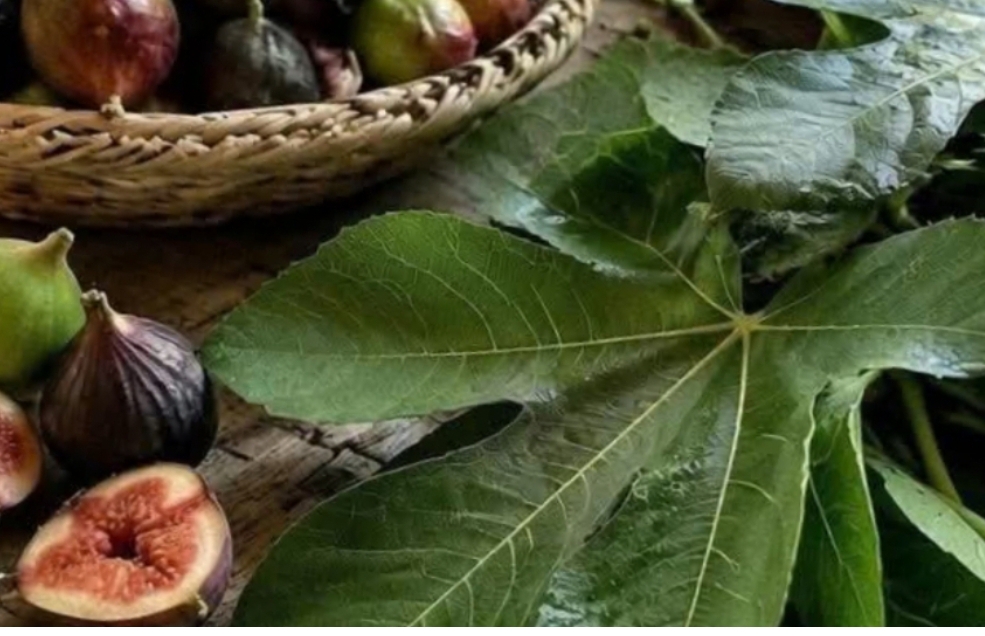
The fig tree (Ficus carica) is an ancient plant valued both as a food and in traditional natural medicine. What makes this species especially interesting is that each part offers different benefits:
1.
The sap has traditionally been used to treat skin issues such as warts, calluses, and minor infections.
The leaves are known for supporting blood sugar balance, healthy blood pressure, and respiratory wellness.
The fruit (fig) is highly nutritious, a natural laxative, and supportive of heart health.
In this article, you’ll learn how to use each part separately, along with detailed recipes, nutritional and chemical properties, and benefits supported by both traditional use and scientific research.
1. Fig Sap (White Latex)
Main Properties
Fig sap contains proteolytic enzymes (ficin), antibacterial compounds, and antiviral substances.
It is known for:
Helping remove warts and calluses
Acting as a natural disinfectant
Supporting the healing of minor skin injuries
Property Highlights
Property Description
Antiviral Helps combat papillomas and warts
Antibacterial Inhibits certain skin infections
Proteolytic Softens and breaks down hardened tissue such as calluses
Healing Supports recovery of minor wounds
Uses and Benefits of Fig Sap
Helps remove stubborn warts
Softens and reduces calluses
Dries small pimples or abscesses
Works as a natural antiseptic
Supports healing of superficial cuts
May help with minor nail infections
Traditionally used against intestinal parasites (under professional supervision)
Fig Sap Recipe
Fresh Sap for Warts
Instructions:
Cut a fig stem and collect a drop of fresh sap.
Apply directly to the wart using a cotton swab.
Cover with a bandage or gauze for 30 minutes.
Repeat daily for 7–14 days.
Warning: Do not apply near the eyes or mucous membranes. Sensitive skin may become irritated.
2. Fig Leaves
Main Properties
Fig leaves contain flavonoids, alkaloids, anti-inflammatory compounds, and substances that may help support healthy blood sugar levels.
They are traditionally used to:
Support healthy glucose levels
Promote healthy blood pressure
Assist respiratory health
Support cholesterol management
Property Highlights
Property Description
Blood Sugar Support Helps maintain healthy glucose levels
Anti-inflammatory Helps reduce swelling and discomfort
Expectorant Supports relief from coughs and bronchial congestion
Blood Pressure Support May help maintain healthy blood pressure
Uses and Benefits of Fig Leaves
Supports management of type 2 diabetes
Helps maintain healthy blood pressure
Provides relief for bronchitis and persistent cough
Supports healthy cholesterol levels
Aids digestion
May help soothe stomach discomfort
Can be used externally for arthritis and muscle discomfort
Recipes with Fig Leaves
Fig Leaf Tea
Ingredients:
4 fresh fig leaves
1 liter (4 cups) of water
Preparation:
Boil the leaves in water for 10 minutes.
Strain before drinking.
Suggested Use:
Drink one cup in the morning and one cup before bed for up to three weeks.
Fig Leaf Poultice for Joint Discomfort
Instructions:
Wash 5 fresh leaves.
Briefly dip them in hot water.
Place over the affected area and cover with a cloth.
Leave on for 40 minutes.
Repeat nightly for one week.
3. The Fruit: Figs
Main Properties
Figs are rich in:
Dietary fiber
Potassium
Calcium
Iron
Antioxidants
Vitamins A, C, K, and B-complex vitamins
Property Highlights
Property Description
Natural Laxative Supports regular bowel movements
Antioxidant Helps protect cells from oxidative stress
Heart Support Promotes healthy circulation and cardiovascular wellness
Nutritious Provides minerals and natural energy
Uses and Benefits of Figs
Helps relieve occasional constipation
Supports healthy digestion
Strengthens bones and teeth through calcium content
Supports healthy blood pressure
Helps maintain healthy cholesterol levels
Promotes cardiovascular wellness
Supports iron intake
Traditionally used to soothe coughs
Provides natural energy
Supports memory and concentration
Fig Recipes
Boiled Figs with Honey for Cough Relief
Ingredients:
3 figs
1 cup water
1 tablespoon honey
Preparation:
Boil the figs in water for 10 minutes.
Strain and add honey.
Suggested Use:
Drink twice daily for five days.
Fig Smoothie for Digestive Support
Ingredients:
4 ripe figs
1 glass of water
1 teaspoon flaxseed
Preparation:
Blend all ingredients until smooth.
Suggested Use:
Drink in the morning three times per week for one month.
General Precautions
Fig sap may cause skin irritation and should not be ingested without professional guidance.
Excessive consumption of figs may lead to diarrhea.
People allergic to latex should avoid fig sap and leaves.
Consult a healthcare professional if pregnant, breastfeeding, or managing a chronic medical condition.
Conclusion
Every part of the fig tree offers unique traditional uses. The sap has long been used for skin concerns such as warts, the leaves are valued for supporting blood sugar and blood pressure balance, and the fruit is a nutrient-rich food that promotes digestive and cardiovascular wellness.
These traditional uses have been passed down through generations and continue to attract scientific interest today. When used responsibly, the fig tree can be a valuable addition to a healthy lifestyle.
Disclaimer: This article is for informational and educational purposes only. It is not intended to diagnose, treat, cure, or prevent any disease. Always consult a qualified healthcare professional before using natural remedies, especially if you have an existing medical condition or take prescription medications